Bai Tie-dyeing Techniques
Introduction
The Bai tie-dyeing technique is an ancient textile dyeing method traditionally practiced by the Bai ethnic group, predominantly in the Dali Bai autonomous prefecture of Yunnan province, China. This art form was inscribed on the National Intangible Cultural Heritage List of China in 2006.
Historical Background
The origins of Bai tie-dyeing can be traced back over 1,000 years, with its ancient form known as jiao xie. Historical records indicate that as early as the Eastern Han Dynasty (25-220), textile dyeing techniques were practiced in the Dali region. During the Tang Dynasty (618-907), the art of tie-dyeing reached significant prominence; the Nanzhao Kingdom’s dance troupe presented costumes featuring tie-dye patterns at the Tang court in Chang'an in 800. By the Ming and Qing dynasties (1368-1911), the Bai people's dyeing and weaving craftsmanship had matured, producing highly sought-after fabrics like the “Red Cloth of Erhai” and the “Dali Cloth.”
Today, tie-dyeing remains a vital cultural tradition in villages like Zhoucun in Dali city, which is often referred to as the "Hometown of Ethnic Tie-Dyeing." Zhoucun and nearby regions such as Weishan county are renowned for preserving and continuing these artisanal techniques.
Techniques and Materials
The Bai tie-dyeing process involves multiple steps:
Designing Patterns: Artists hand-paint or sketch designs on white cotton or cotton-linen blended fabric.
Tying and Binding: Using unique folding, tying, and stitching methods, the fabric is manipulated to resist the dye in specific areas, forming intricate patterns.
Dyeing: Natural indigo dye (locally known as banlangen) is used. The dyeing process often involves repeated immersion to achieve deeper color tones.
Fixing and Drying: The dyed fabric is boiled, dried in sunlight, untied, and smoothed using traditional tools like stone rollers.
These steps, especially the binding and dyeing stages, require exceptional skill and precision, as the resulting patterns are directly shaped by the artisan's technique.
Artistic and Cultural Significance
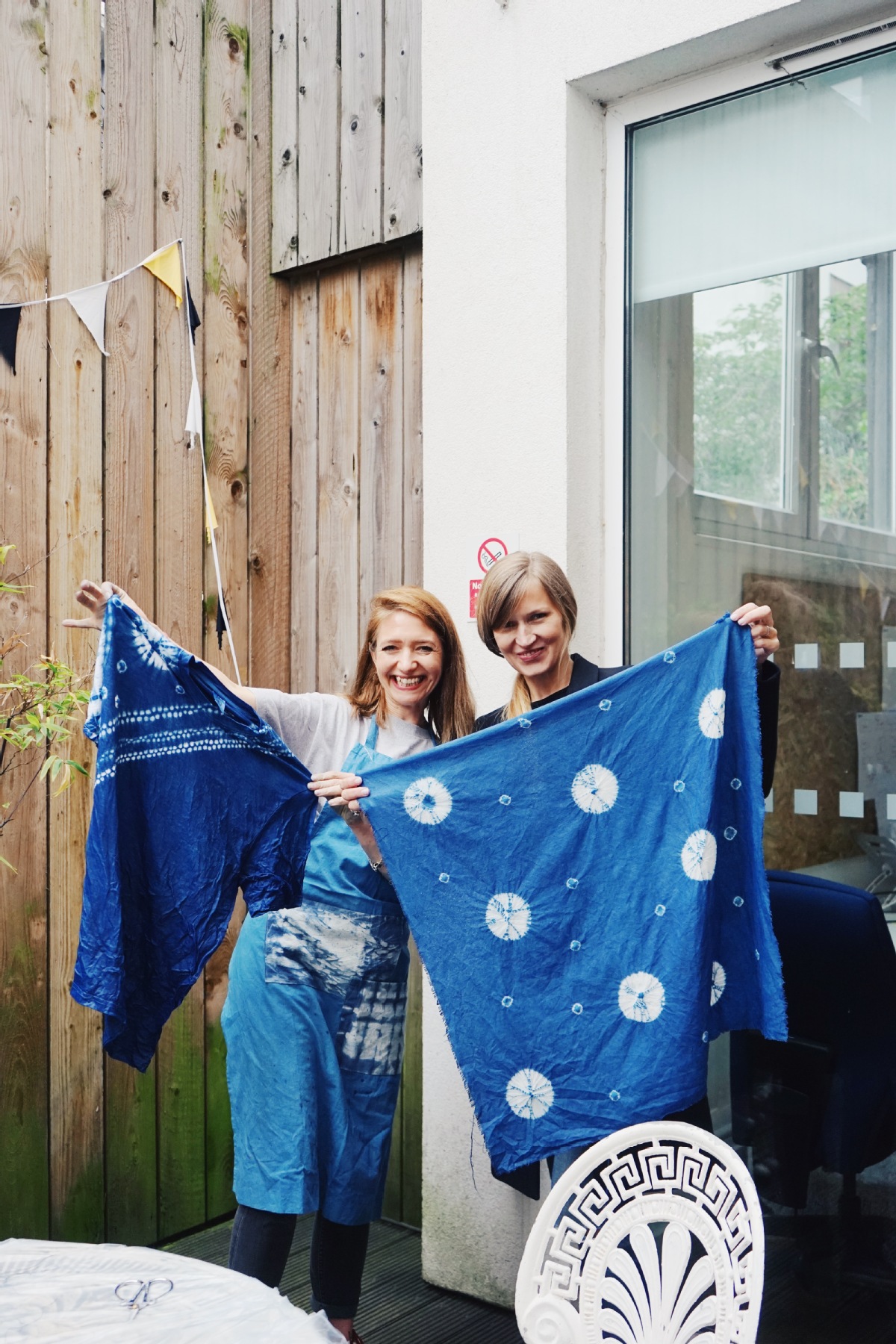
Bai tie-dyeing is distinguished by its harmonious, symmetrical patterns, typically inspired by natural elements like flowers, animals, and traditional Bai symbols. These patterns often carry auspicious meanings, reflecting the Bai people's aesthetics and spiritual beliefs.
With over 1,000 documented patterns, this craft encapsulates the Bai people's history, folklore, and artistic ingenuity. The vivid blue and white designs are both visually striking and practical, making Bai tie-dye fabrics popular for clothing, home furnishings, and art pieces. Photo Gallery(14 pictures)CategoriesCultural HeritageTagIntangible Cultural HeritageCatalogue1. Introduction 2. Historical Background3. Techniques and Materials4. Artistic and Cultural Significance- - - []








